
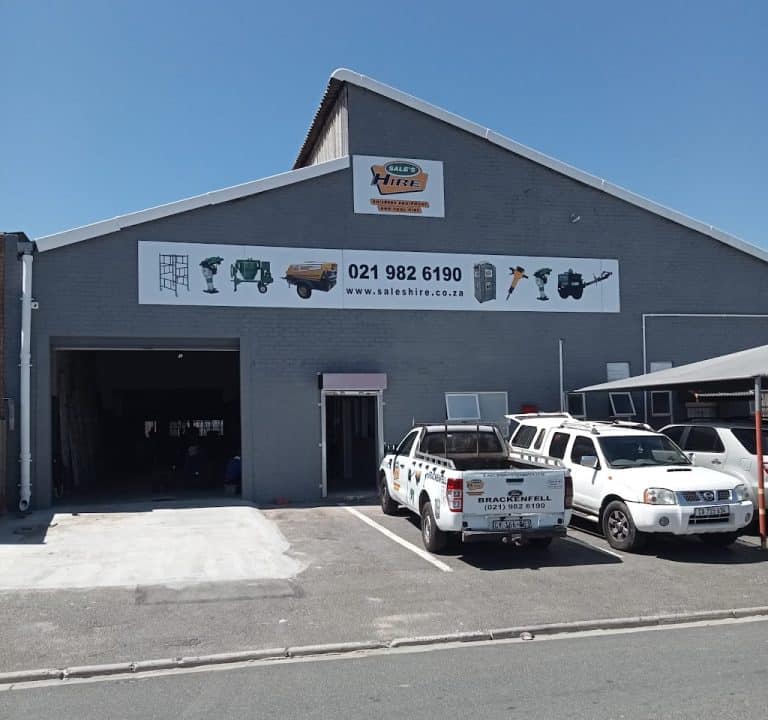
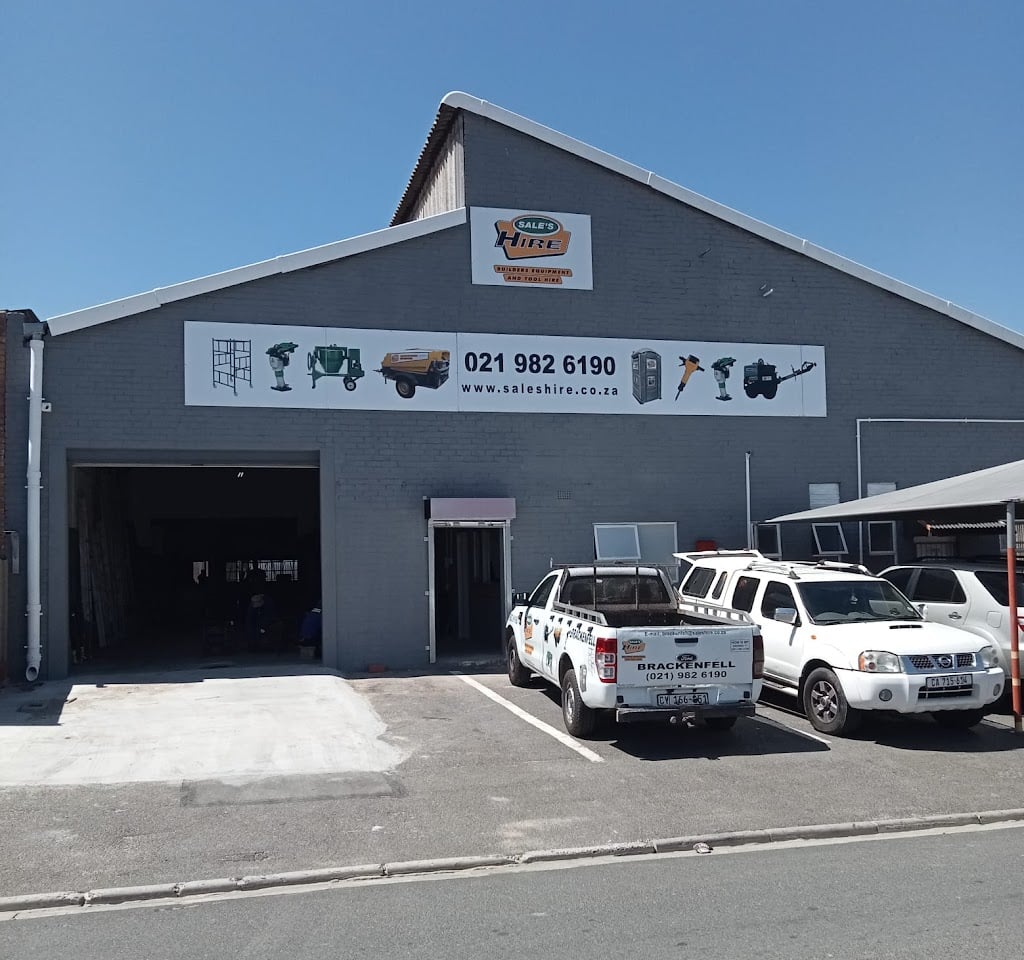
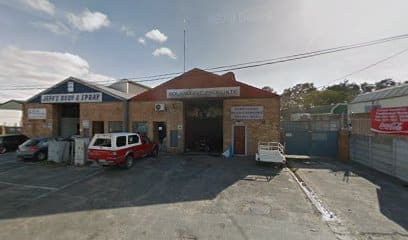
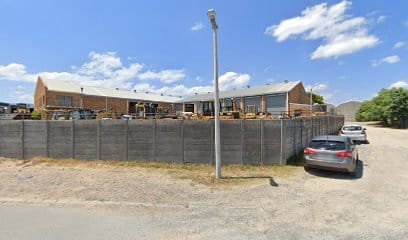
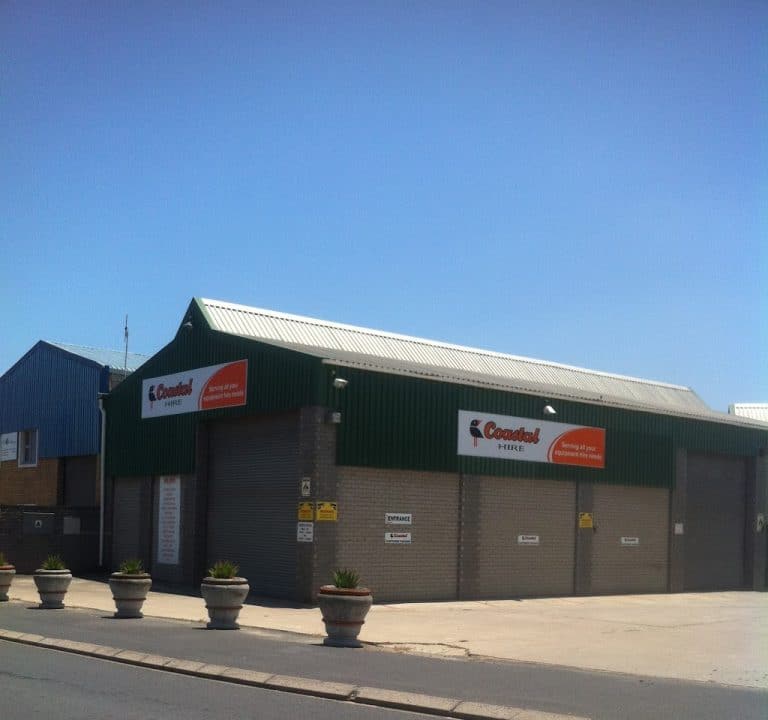
Sale’s Hire Brackenfell is a Plant and machinery hire establishment in Cape Town, Western Cape, South Africa
Sale’s Hire Brackenfell: Plant and Machinery Hire in the Western Cape
Sale’s Hire Brackenfell operates within the Cape Town region as part of a broader network focused on plant and machinery hire. The company’s heritage traces back to 1990, with the business initially operating as De La Rey Hire in Parow Valley before rebranding to Sale’s Hire in 2000. Over more than two decades, the operation has expanded to include multiple branches and franchise outlets across the Peninsula and Boland, underscoring a regional focus on construction-related equipment rental. The Brackenfell offering sits within this wider framework, delivering access to a range of tools and equipment needed for building and site works.
Core services are positioned under the Builders Equipment and Tool Hire division, complemented by a dedicated Equipment for Hire category that includes items for compacting and concrete-related activities. This alignment indicates a focus on essential construction equipment suitable for small to mid-scale projects, site preparation, and general site servicing. The breadth of the fleet is supported by ongoing expansion, with the company actively growing its equipment lines to meet evolving customer needs.
Customer experience with Sale’s Hire Brackenfell appears to be shaped by a local service model, with contact channels routed through the Brackenfell area while drawing on the broader head office and branch network. The Brackenfell branch maintains a point of contact for customers in the Western Cape, offering a local address and telephone line for equipment inquiries and bookings. The presence of a Parow Valley address in related branches and the proximity to Parow Industria networks suggests a regional footprint designed to accommodate construction projects across Cape Town’s northern corridor and surrounding suburbs.
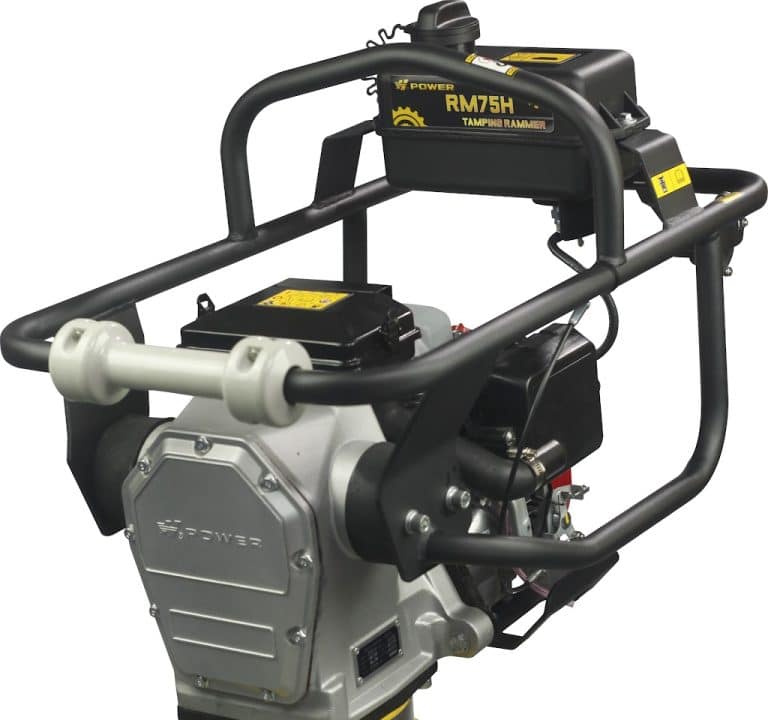
Typical uses for the equipment within this hire portfolio include tasks common to construction and building projects, such as site preparation, concrete work, and other trade-related activities. While specific tool lists are not exhaustively detailed in the available material, the inclusion of compacting and concrete categories signals the availability of compaction rollers, plates, and concrete-related machinery, alongside standard builders’ hand and power tools typically found in builder equipment hire operations. The fleet emphasis is on practical, job-ready assets suitable for contractors, maintenance teams, and DIY builders working on small to medium sites.
Requests for equipment are typically managed through the local branch network, with the Brackenfell contact page providing a route to initiate bookings, obtain quotes, or verify equipment availability. The structure of the business suggests a straightforward process: identify the required equipment, confirm availability for the project window, arrange delivery or pickup, and ensure compliance with safety and operating instructions at the point of use. The broader company profile notes steady growth and a workforce of over 200 staff nationally, indicating a sizeable operational capacity to support equipment maintenance, customer service, and logistics across branches.
Practical tips for customers planning a hire include assessing project requirements upfront to match the right equipment to the task, allowing for lead times during busier periods, and factoring in any delivery or site access considerations. It is advisable to confirm equipment specifications, including capacity, power requirements, and operating safety features, before finalising a rental. For those working across multiple sites in the Western Cape, leveraging the network of branches and franchise outlets can help with logistics, availability checks, and potential cross-branch equipment swaps if needed.
The Brackenfell and broader Sale’s Hire network serve the plant and machinery hire needs of the Western Cape’s building and construction sector, with a local emphasis on providing practical, job-focused equipment for site works. While specific hours of operation and live availability are not detailed in the accessible content, the established regional presence and multi-branch structure suggest a business model geared towards responsive service and accessible support for project teams operating in and around Cape Town and its neighbouring areas.
- Main services offered: Builders Equipment and Tool Hire; Equipment for Hire (including Compacting & Concrete).
- Typical job types catered for: construction site preparation, concrete-related tasks, and general building works requiring hired plant and tools.
- How requests usually work: identify equipment needs, confirm availability with the local branch, arrange pickup or delivery, and use equipment in accordance with safety guidelines.
- Practical tips: assess project requirements early, verify specifications, consider delivery logistics, and plan for equipment compatibility with site access and safety regulations.
- Location/area served: Western Cape, with a network spanning the Peninsula and Boland regions; Brackenfell branch serves the local area within Cape Town.
Cape Town
Western Cape
7560
South Africa
Sorry, no records were found. Please adjust your search criteria and try again.
Sorry, unable to load the Maps API.
Plant and Machinery Hire Services in Cape Town, Western Cape
Plant and machinery hire in Cape Town covers a broad range of equipment designed to support construction, events, landscaping, and industrial projects across the Western Cape. Local clients typically seek reliable access to heavy and light machinery without the burdens of ownership, enabling projects to scale quickly while managing cash flow and workload fluctuations.
Typical equipment categories include earthmoving machines such as excavators, backhoes, skid-steer loaders, and mini excavators; materials handling gear including forklifts and telehandlers; lifting equipment like mobile cranes and scissor lifts; and compact machines suited to challenging urban sites, such as compactors and trenchers. In addition to these core items, a hire fleet often encompasses access equipment, dump trucks, water pumps, generators, compressors, concrete mixers, and temporary site facilities. The precise mix varies by supplier, reflectingCape Town’s mix of urban redevelopment, coastal construction, and rural projects in the Western Cape.
Expected service features generally include delivery and collection to the project site, on-site setup where required, and pre-hire assessments to determine the most suitable machines for the task. When arrangements are made, the equipment is usually supplied with basic safety features, operating manuals, and relevant documentation. Operators may be provided as part of the hire or may require the client to arrange a competent operator, depending on the equipment and local regulations. Clients should clarify responsibilities for maintenance, fuel, and daily checks before work commences.
How plant and machinery hire typically works
In practice, the process begins with a consultation to outline project requirements, timelines, site conditions, and any constraints such as access corridors, height restrictions, or noise limits. From there, a suitable fleet is proposed, with emphasis on capacity, reach, lifting methods, and terrain compatibility. Once a selection is agreed, delivery is organised to align with the project schedule. A concise handover usually covers safety checks, site preparation, and any operator instruction needed for compliant use.
During the hire period, operators and client teams collaborate to monitor performance, fuel consumption, and maintenance needs. Routine maintenance and availability of spare parts are practical considerations, especially for longer projects. Some clients opt for short-term hires to bridge occasional demand spikes, while others engage longer-term arrangements for major build programmes. Insurance, liability, and risk management are integral components of the hire agreement, with many suppliers offering coverage options or requiring proof of adequate policies from the client or operator.
On completion, equipment is recovered, any excess fuel is reconciled, and the site is inspected to confirm return conditions. A final usage report or charge sheet may be provided, detailing outcomes such as uptime, wear and tear, and any consumables used. It is common for hire agreements to specify terms around deterioration, sudden mechanical faults, and response times for breakdown support, ensuring projects can plan contingencies effectively.
Practical considerations for projects in Cape Town
Cape Town’s varied geography and climate mean consideration of access routes, urban regulations, and local environmental expectations. Urban projects may require compact or low-emission machines, while coastal sites could demand equipment suited to sandy soils or rugged terrain. Permits, noise management, and traffic control plans are practical aspects to review early in the planning stage. Delivery schedules should account for traffic patterns and peak operating times in the Western Cape’s cities and municipalities.
Safety and compliance form a priority, with attention to operator competency, site induction, and the suitability of equipment for ground conditions. Clients benefit from clear communication about what is included in the hire, who operates the machinery, and how routine checks will be conducted. By aligning equipment capability with project needs and site realities, Cape Town-based plant and machinery hire services support efficient progress while maintaining appropriate risk controls.




To contact the company on this page, use the contact details supplied.
Alternatively, you can also request a quote from our countrywide network of plant and equipment hire specialists by clicking the button below and completing the quotation form.
Request a Quote for Plant Hire, Construction Equipment rental, small plant and equipment hire, Generator hire.
We will send your quote request to our network of plant hire specialists, and the quote will remain active for a week.