

Sale’s Hire Durbanville is a Plant and machinery hire establishment in Cape Town, Western Cape, South Africa
Sale’s Hire Durbanville – Plant and Machinery Hire in Cape Town, Western Cape
Sale’s Hire Durbanville operates within the plant and machinery hire sector in Cape Town and the surrounding Western Cape. With a history dating back to 1990, the business began as De La Rey Hire, located at the corner of Joubert and De La Rey Streets in Parow Valley. In 2000, the company rebranded to Sale’s Hire and has since expanded its footprint to meet the equipment needs of a broad client base across the Peninsula and Boland. The group now comprises multiple branches and franchise outlets, supported by a workforce of over 200 staff, emphasising growth through both physical expansion and an enlarged equipment fleet.
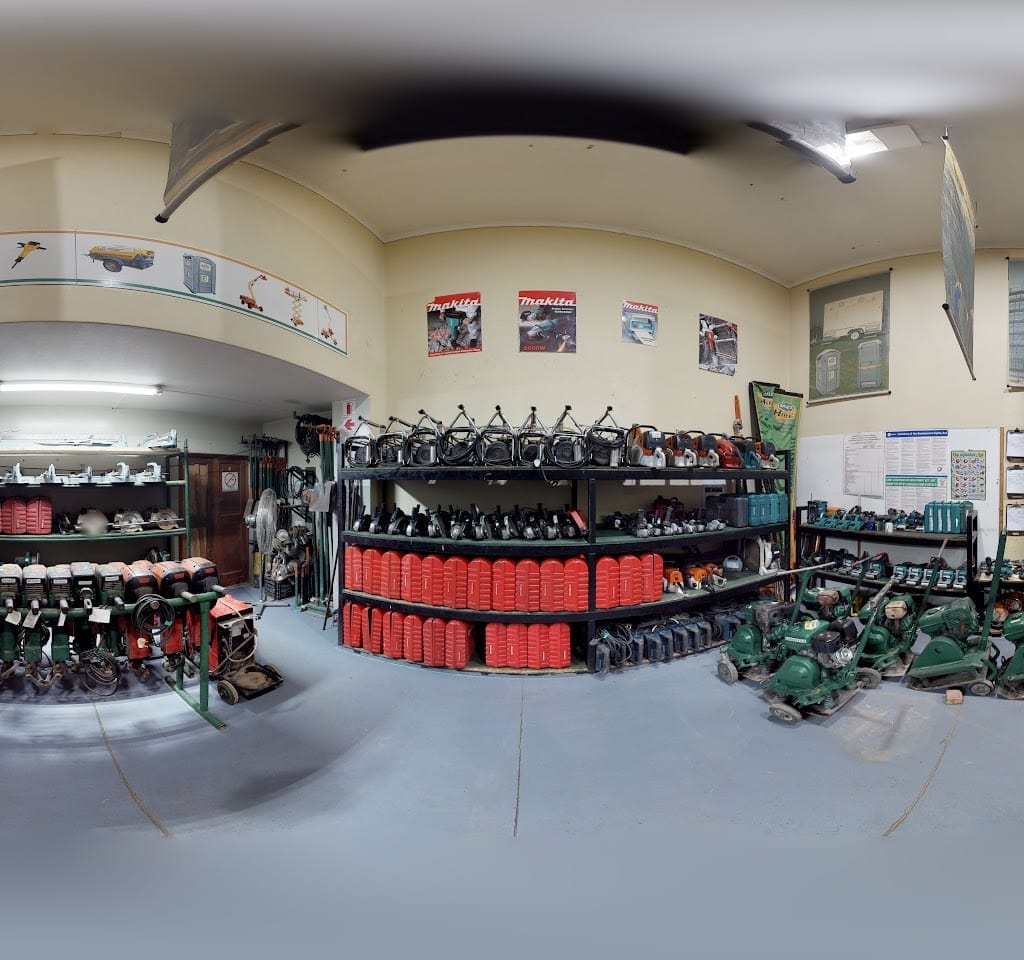
The company’s online presence signals a focus on builders’ equipment and tool hire, with a dedicated category for equipment used in compacting and concrete applications. This positions Sale’s Hire Durbanville as a practical source for construction-related machinery and allied rental items, particularly for projects that require reliable, on-site gear across a range of sectors.
Main services offered
- Builders equipment and tool hire: A core emphasis of the offering, aligning with common construction and renovation needs.
- Equipment for hire: A broad category indicating access to various types of machinery suitable for construction and related trades.
- Compacting and concrete equipment: A specialised subset of equipment suitable for site preparation, compaction, and concrete work.
In addition to its main service lines, Sale’s Hire maintains a visible presence through the branches and franchise outlets network. The Somerset West – Interchange franchise is listed among the accessible locations, suggesting a regional reach that encompasses both Cape Town and adjacent areas. A dedicated toilet hire service is also featured, with a Parow Industria branch listing contact details for toilet hire needs, indicating the ability to support site facilities as part of project logistics.
<h2 Typical job types and industries
While precise job title examples are not enumerated, the available information implies engagement with sectors that routinely require builders’ equipment and tool hire. This includes residential and commercial construction projects, site development, renovations, and related activities where compacting, concrete, and general construction gear is in demand. The regional emphasis appears to cover the Peninsula and Boland areas, aligning with construction and site needs across Western Cape locations.
<h2 How requests usually work
Details on the exact process for placing bookings are not extensively described online. However, the presence of branches and contact channels—such as the Brackenfell Head Office and the Parow Industria toilet hire service—suggests a workflow whereby customers identify the equipment needs, select a branch for pickup or delivery, and coordinate terms and timelines through branch contacts. Availability is likely managed through the branch network, with franchise outlets contributing to coverage across the region.
<h2 Practical tips for customers
- Identify the specific equipment type required (e.g., general builders’ tools, compacting equipment, concrete devices) and verify compatibility with the project’s scale and site constraints.
- Consult a local branch to confirm equipment availability, delivery options, and any on-site requirements such as power supply or weight limits for certain machines.
- Consider requesting a bundled solution if multiple items are needed for a project, which may streamline coordination and logistics.
- Check whether site facilities or ancillary services (like toilet hire) are available from the same provider to simplify supplier management on larger sites.
- Plan ahead for peak periods or larger projects by coordinating with the nearest branch or franchise outlet to secure essential equipment in advance.
<h2 Hours and location considerations
Specific business hours are not provided on the public pages. The listed branches indicate a distributed network within Cape Town and broader Western Cape, suggesting customers may locate a nearby branch for convenient access. The locations referenced include Parow Valley and Parow Industria, with additional presence in Somerset West and other Peninsula areas, indicating a regional footprint that supports on-site and pickup options across the Western Cape.
<h2 Location and area served
The group serves the Western Cape region, with a focus on the Peninsula and Boland. Branch information and contact details point to a network designed to support construction projects across Cape Town and surrounding towns, enabling local access to equipment for hire as part of project planning and execution.
Overall, Sale’s Hire Durbanville presents itself as a long-standing, regionally oriented supplier of builders’ equipment and plant hire, supporting construction activity through a network of branches and a specialised compacting and concrete equipment offering. The information available emphasises practical supply for typical construction and site management needs within the Western Cape.
Cape Town
Western Cape
Durbanville, Cape Town
South Africa

Sorry, no records were found. Please adjust your search criteria and try again.
Sorry, unable to load the Maps API.
Plant and Machinery Hire Services in Cape Town, Western Cape
In Cape Town and the surrounding Western Cape region, plant and machinery hire is a practical solution for construction, civil engineering, mining support, and large-scale maintenance projects. The range of equipment typically available covers heavy earthmoving machines, material handling units, and specialised gear designed to work within varied terrain and climate conditions characteristic of the coastal city and its hinterland. Clients range from small contractors to larger firms undertaking infrastructure or commercial developments, with hire becoming a flexible alternative to ownership for short- or medium-term operational needs.
Typical operations involve the provision of heavy equipment on short-, medium-, or long-term contracts, depending on project requirements. An hiring company generally conducts a preliminary assessment of site access, ground conditions, load requirements, and safety considerations before proposing suitable machinery. The process often includes delivery to site, on-site installation or configuration, operator arrangements where required, and maintenance regimes designed to minimise downtime. In many instances, customers may opt for machines with built-in monitoring systems set to track performance, fuel use, and service intervals, although specific features vary by supplier.
Two core service streams define the market in this region: dry-hire, where the customer pays for the use of the equipment while supplying the operator if needed, and wet-hire, where the supplier provides both the machine and a skilled operator. Wet-hire is commonly chosen for specialised tasks such as excavation, dismantling, or crane work, while dry-hire tends to be preferred for projects with in-house supervision and existing workforce planning. Transfer, setup, and dismantling are typically arranged as part of the hire package, with additional fees applied for after-hours delivery, weekend work, or hazardous site conditions.
Practical considerations for hiring plant and machinery in Cape Town include logistical factors related to the city’s geography and port access, as well as regional weather patterns. Proximity of the hire yard to the project site can influence delivery times and fuel logistics. Safety and compliance remain paramount, with emphasis on operator credentials where required, routine maintenance records, and adherence to local regulatory standards governing equipment usage and road transport. Operators may need specific training or certifications, particularly for lifting gear, aerial platforms, or specialised machinery used in confined spaces or elevated environments.
Clients should anticipate upfront assessments that clarify capacity, reach, and load limits, ensuring that the chosen equipment aligns with project scope. It is common for hire agreements to include a maintenance clause, routine servicing schedules, and a swift response mechanism for mechanical faults or breakdowns. Insurance considerations are also an important aspect, with many agreements providing coverage for equipment while on site, subject to terms and exclusions. When planning logistics, attention is given to fuel arrangements, refuelling safety on site, and potential environmental impacts, such as spill prevention and waste management practices.
To support a successful hire experience, buyers are advised to document project timelines, site access constraints, and any environmental or regulatory requirements that might affect equipment choice. While specifics vary between suppliers, the overarching objective is to provide reliable, well-maintained machinery accompanied by clear operational guidance and responsive support. In Cape Town’s dynamic construction scene, plant and machinery hire serves as a pragmatic approach to scaling capabilities quickly, managing capital expenditure, and maintaining project momentum from early site preparation to final dismantling.
- Earthmoving and excavation equipment (excavators, loaders, skid steers)
- Material handling and lifting ( forklifts, telehandlers, cranes)
- Site services and utilities (compressors, generators, water pumps)
- Aerial and specialised equipment (scissor lifts, access platforms, concrete pumps)





To contact the company on this page, use the contact details supplied.
Alternatively, you can also request a quote from our countrywide network of plant and equipment hire specialists by clicking the button below and completing the quotation form.
Request a Quote for Plant Hire, Construction Equipment rental, small plant and equipment hire, Generator hire.
We will send your quote request to our network of plant hire specialists, and the quote will remain active for a week.