
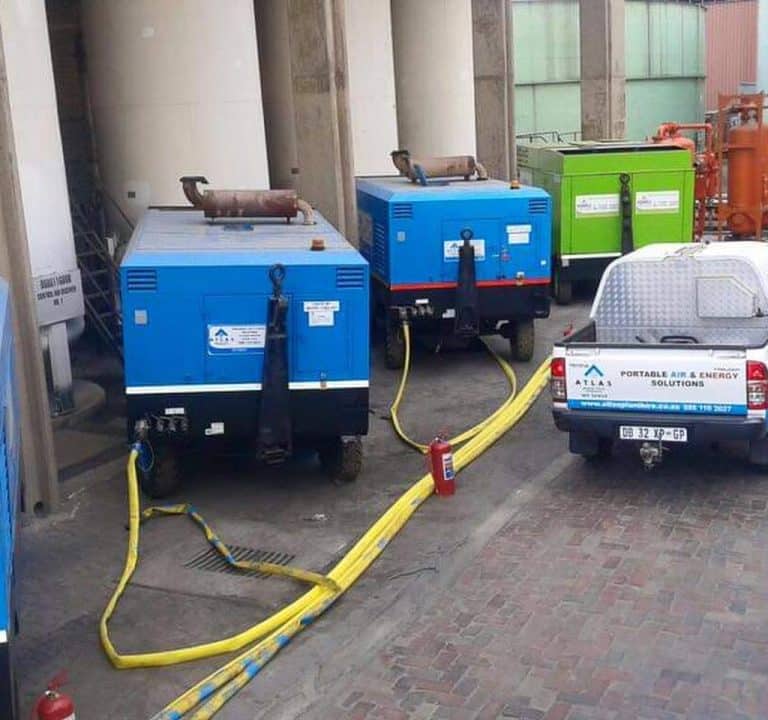
Atlas Plant Hire (Pty) Ltd is a Plant and machinery hire establishment in Gqeberha, Eastern Cape, South Africa
Atlas Plant Hire (Pty) Ltd — Plant and Machinery Hire in Gqeberha, Eastern Cape
Atlas Plant Hire (Pty) Ltd, established in 1987, is presented as a specialist supplier of portable air and energy equipment with a broad fleet that supports construction, mining, quarrying and other industrial sectors across Africa. The company operates from depots in Gqeberha (Port Elizabeth), with additional locations in Johannesburg and KwaZulu-Natal, and emphasises modern workshops, high standards of maintenance, and a strong service ethos to maximise site productivity.
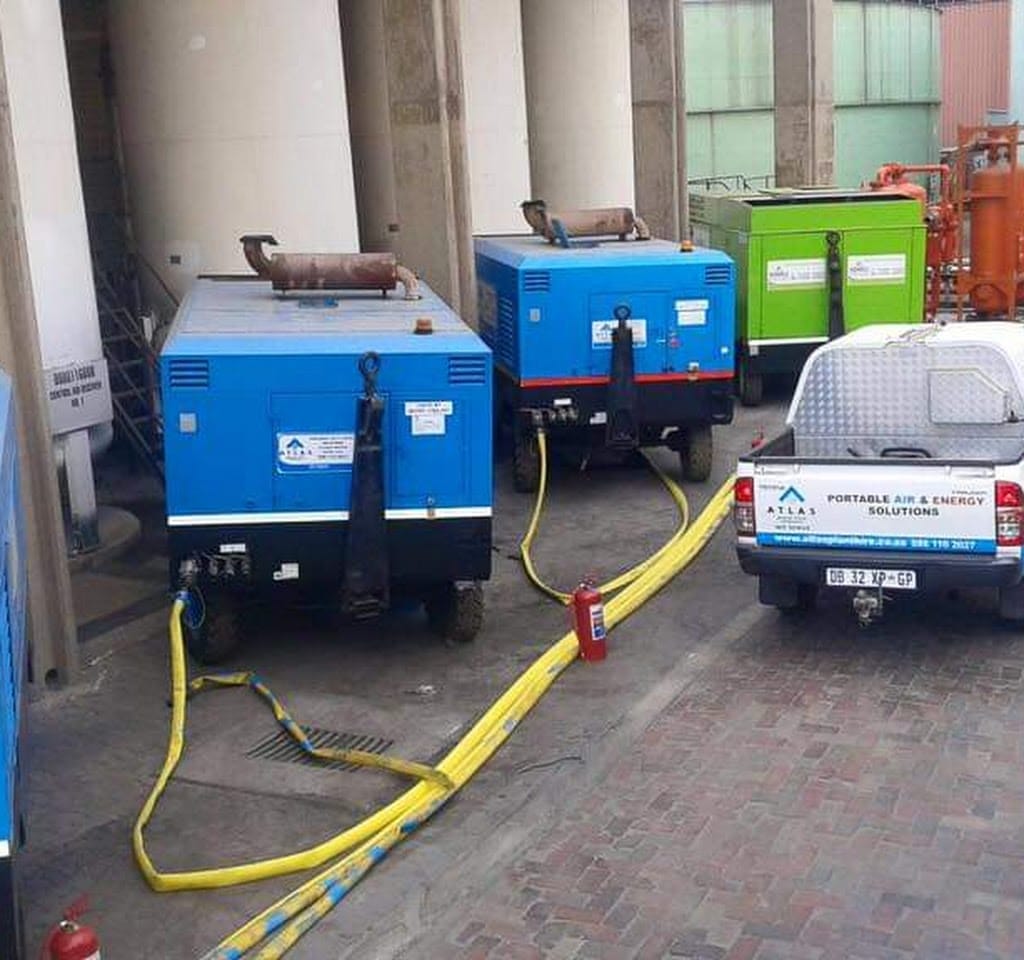
The core offering centres on portable energy solutions. A comprehensive range of portable diesel, high‑pressure, electric and oil‑free compressors is available for hire, together with related equipment such as air treatment products, pneumatic tools and ancillary gear. The portfolio extends to lighting towers, electrical equipment, compaction equipment, bowsers and generators, aimed at keeping worksites powered and operational in a variety of environments. Across these categories, the emphasis remains on reliability, continuous availability and equipment that is regularly serviced and monitored through formal service records.
Atlas positions itself as a total solution provider rather than a mere supplier of machines. The product descriptions stress practical attributes such as high mobility, fuel efficiency, powerful performance, and robustness suitable for demanding applications. In particular, diesel compressors are touted for their ability to operate away from electrical grids, an attribute valued in remote or challenging work sites, while high‑pressure options are framed for drilling, piling and specialised industrial processes. Electric and oil‑free options are highlighted for projects that require dependable air power with specific environmental or operational considerations.
Customer experience is framed around safety, service quality and operational efficiency. The company notes that all operators adhere to Occupational Safety and Health Administration (OSHA) guidelines and that safety equipment and measures—such as fire extinguishers, stop blocks, drip trays and whip‑checks—are incorporated to support safe operation. The firm also references continuous improvement, ethical governance and an emphasis on reducing environmental impact alongside staff training and health and safety development.
Typical job types and industries referenced within the site content include general construction, mining, quarrying and industrial operations, where portable air power and energy solutions are essential for powering drilling, pneumatic tools and other machinery. The equipment is marketed as adaptable to a wide range of project sizes, from smaller daytime tasks to large, sustained campaigns across remote locations.
Requests and engagements appear to proceed through structured enquiry channels. Online options include a contact mechanism and a downloadable brochure, with a formal emphasis on quotations and tailored solutions. A dedicated enquiry form on the Diesel and High Pressure pages invites potential customers to specify equipment requirements, region, and application, reinforcing Atlas Plant Hire’s focus on offering customised, project‑specific recommendations. The company’s stated mission and vision reinforce a commitment to delivering tailored, energy‑efficient solutions that maximise productivity and reduce production loss for clients.
Notable corporate details include a BEE Level 2 status and a stated national reach, with the capacity to serve all of Africa. The narrative also notes that Atlas Plant Hire maintains a large fleet—over 500 items—covering compressors, generators and compaction equipment, supported by modern workshops and a proactive maintenance regime. The business highlights a customer‑friendly ethos encapsulated in a service motto—“WE SERVE”—and an emphasis on ethical standards, health and safety, and continuous improvement.
Practical tips for customers planning to hire from Atlas Plant Hire include the following:
- Identify the specific compressor type (diesel, high‑pressure, electric or oil‑free) and the required pressure, flow (CFM) and power supply for the task to ensure an appropriate match.
- Consider site conditions and power availability when selecting equipment to maximise efficiency and minimise downtime.
- Factor in safety requirements and PPE, following the stated health and safety guidelines on site and with equipment operation.
- Leverage the enquiry forms and brochures to obtain a tailored quotation that reflects the project scope and regional logistics.
- Be mindful of maintenance records and the perceived reliability of equipment, which Atlas frames as part of its service proposition.
Atlas Plant Hire serves the Eastern Cape and wider Africa region with a broad rental fleet and a commitment to service‑led delivery. The company’s approach to equipment provision emphasises mobility, efficiency, and safety, backed by a sustained investment in training, ethical practices, and environmental considerations.
Gqeberha
Eastern Cape
6001
South Africa
Sorry, no records were found. Please adjust your search criteria and try again.
Sorry, unable to load the Maps API.
Plant and Machinery Hire Services in Gqeberha, Eastern Cape
In Gqeberha, Eastern Cape, plant and machinery hire services play a vital role in supporting construction, infrastructure, and industrial projects. The offerings typically cover a broad spectrum of equipment rental, including earthmoving machines, material handling equipment, and specialised access solutions. With a coastal city as a commercial hub, these services are geared towards enabling projects to progress efficiently, with the flexibility to scale equipment use to the duration of a job and the changing needs on site.
Customers can expect a range of hire options designed to fit different project timelines and budgets. Dry hires, where the machinery is provided without an operator or consumables, are common for clients with in-house staffing and maintenance capabilities. Wet hires, which include an operator and often basic ongoing support, are also available for projects requiring immediate productivity or a turnkey solution. In many cases, hire companies provide added services such as delivery and collection, routine maintenance, and on-call technical support to minimise downtime.
Typical equipment available for hire covers several core categories. Excavators and backhoes are commonly used for site preparation, trenching, and earthmoving. Loaders, skid-steer loaders, and telehandlers offer versatile material handling and access options. Teleboom and mobile cranes address lifting operations at varying heights and load capacities. Forklifts, pallet trucks, and stackers support warehousing and logistics on larger sites. Concrete equipment, such as mixers and concrete pumps, are deployed where rapid on-site casting is required. Access machinery, including scissor lifts, boom lifts, and cherry pickers, facilitates safe work at height. Generators, lighting towers, and temporary power solutions ensure uninterrupted operations in diverse weather and power conditions.
Operational considerations commonly guide the hire process. Clients typically confirm project duration, desired capacity, and site constraints before equipment is allocated. Delivery logistics are arranged to coordinate on-site arrival times, with some operators or delivery personnel required to navigate local road regulations and permit processes. On larger sites, a dedicated supervisor or appointed site contact may be recommended to coordinate equipment use, scheduling, and safety compliance. It is usual for hire agreements to include terms on fuel, maintenance responsibilities, and the handling of wear and tear, with clear procedures for reporting faults and arranging replacements or rapid repairs.
Safety and compliance are emphasised across the industry. Operators often hold relevant certificates or training recognised locally, and sites may require verification of competency, risk assessments, and method statements when heavy machinery is employed. Insurance coverage is commonly a consideration, with clients advised to understand whether the hire agreement transfers certain liabilities and what level of cover applies to third-party property and public risk. Site-specific considerations, such as terrain, access routes, and proximity to power lines, influence the choice of equipment and the manner of operation. Weather conditions, especially strong coastal winds, may affect the feasibility of aerial work platforms and lifting tasks, prompting contingency planning and scheduling flexibility.
Practicalities in Gqeberha often involve logistical planning around port access, round-the-year road traffic, and regional weather patterns. Equipment selection tends to prioritise reliability, local service support, and the ability to source timely replacements or maintenance when necessary. The best outcomes emerge when clients provide clear project briefs, including anticipated usage, maximum loads, and preferred delivery windows, while hire providers offer transparent terms, pre-hire inspections, and straightforward aftercare processes to keep operations on track.
- Excavators and backhoes
- Wheel loaders and telehandlers
- Mobile cranes and lifts
- Forklifts and material handling equipment
- Concrete equipment and compactors
- Generators and temporary power
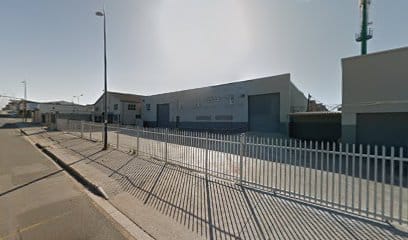

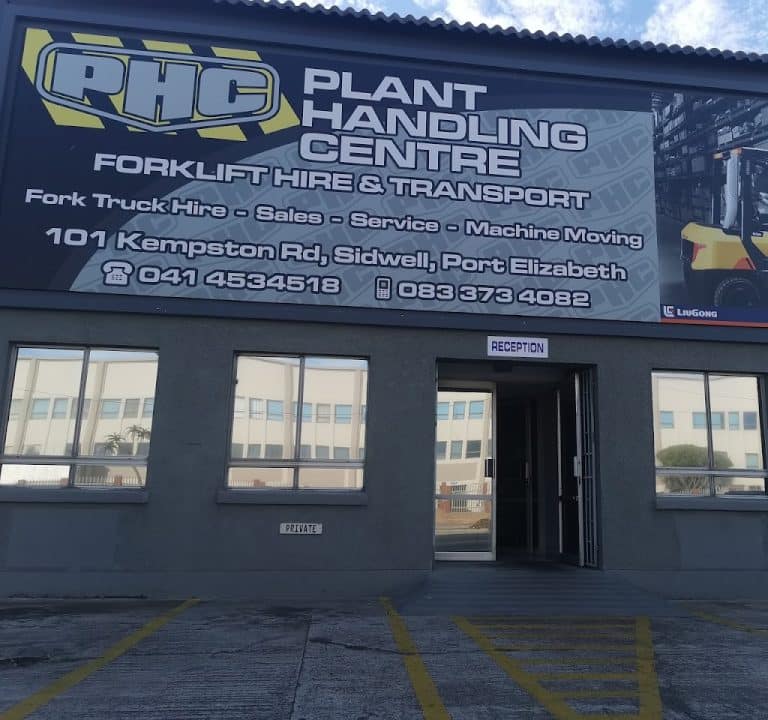
To contact the company on this page, use the contact details supplied.
Alternatively, you can also request a quote from our countrywide network of plant and equipment hire specialists by clicking the button below and completing the quotation form.
Request a Quote for Plant Hire, Construction Equipment rental, small plant and equipment hire, Generator hire.
We will send your quote request to our network of plant hire specialists, and the quote will remain active for a week.