
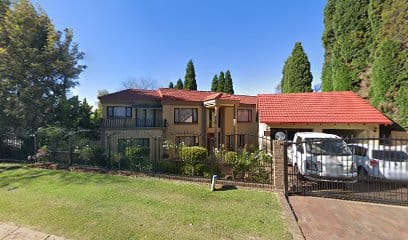
Chakarisa Group is a Plant and machinery hire establishment in Johannesburg, Gauteng, South Africa
Chakarisa Group operates in the plant and machinery hire landscape within Johannesburg, Gauteng, presenting itself as a specialist resource for earth-moving equipment. The available website presence emphasises earth-moving equipment and a dedicated plant hire focus, signalling an intent to serve construction, infrastructure, and related projects that require reliable access to heavy provision and machinery on demand. As an independent observer, the summary drawn from the site conveys a business that positions itself around the provision of essential equipment rather than a broad fleet of diversified services.
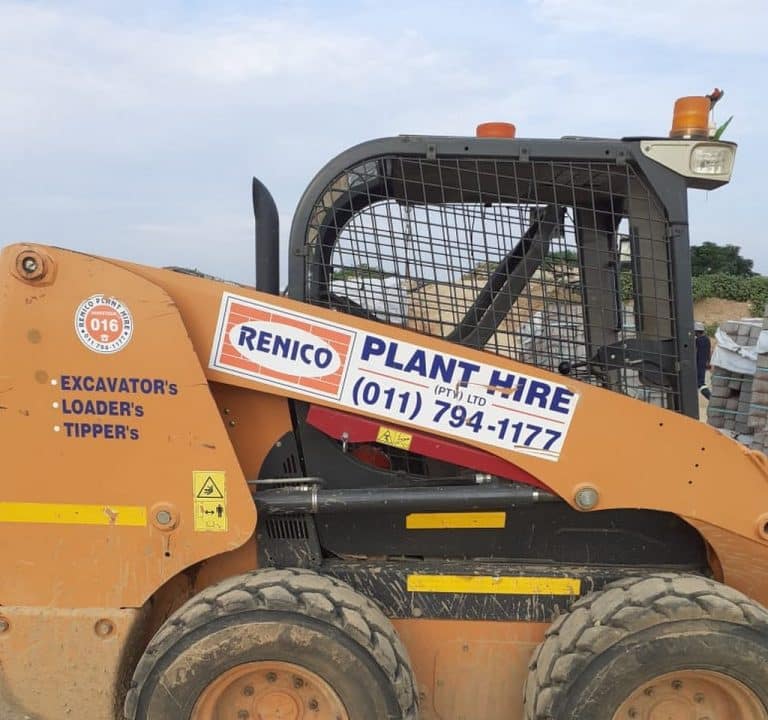
The core message on the site centres on earth-moving capacity, with the emphasis clearly placed on equipment for hire rather than manufacture or long-term project management. In practice, this suggests that clients would approach Chakarisa Group to obtain access to plant and machinery for specific job cycles, whether short-term or longer engagements, rather than relying on a large, multifaceted portfolio of services. The site’s wording—through its focus on “Developing the World with Earth-Moving Equipment” and a visible plant hire category—paints a picture of a business model built around supply and availability of critical construction machinery rather than a broader engineering or contracting service.
What this means for potential customers is that the primary value proposition likely revolves around having the right equipment available when needed, with arrangements that support project timelines in Johannesburg and surrounding Gauteng areas. The emphasis on earth-moving equipment aligns with common industry needs for excavation, material handling, site preparation, and related tasks that demand reliable plant capacity. While specific makes, models, or service levels are not detailed on the current site content, the positioning is consistent with a focus on accessibility and equipment readiness for hire.
In the absence of explicit pricing, inventory lists, or service guarantees on the site, prospective clients should consider standard best practices when engaging a plant hire supplier in this sector. These include clarifying equipment specifications (engine power, lifting capacity, reach, and attachments), confirming delivery logistics and site access requirements, and verifying safety and compliance credentials. Given the Johannesburg base, it is reasonable to anticipate service scenarios that account for urban site constraints, permit considerations, and local compliance for heavy equipment use.
Typical job types for plant hire in this category commonly include construction site preparation, earthworks, roadworks, utilities installation, and civil engineering projects. While the current site does not enumerate specific industries or project profiles, the general market demand in Gauteng suggests potential applications across residential, commercial, and industrial developments, as well as infrastructure programmes. Clients should seek clarity on whether the equipment offered can handle specialised tasks such as trenching, material handling, or high-reach operations, and whether crews or operator services are included or available as an add-on.
For those planning a hire, the customer experience often hinges on a seamless request-to-delivery process. Practical steps typically involve identifying the required equipment, confirming the rental period, understanding any operator or supervision requirements, arranging transport to the site, and agreeing on safety and maintenance responsibilities. Since no explicit process is documented on the site, it is prudent to prepare a concise brief outlining project type, estimated duration, site conditions, and delivery constraints to expedite the engagement once contact is made through the listed channels.
Practical tips for customers planning to hire plant and machinery in Johannesburg include:
- Verify equipment specifications carefully to ensure capability for the intended task, including power, capacity, and compatibility with attachments.
- Confirm delivery windows and on-site access requirements (tunnels, stairs, gate sizes, crane clearances).
- Ask about operator options and the availability of trained personnel if supervision or operation is required on site.
- Check safety documentation, maintenance status, and recent service history of the equipment before acceptance.
- Clarify insurance, liability, and incident reporting procedures for the hire period.
- Discuss maintenance support or breakdown response time to minimise project disruption.
- Provide precise site information (housekeeping, access routes, and delivery timing) to avoid delays at the point of delivery.
- Incorporate consideration of local Gauteng weather patterns and ground conditions, which can affect earth-moving operations.
Operational details such as business hours or best times to visit are not specified in the available content. The company’s primary digital footprint is anchored to its plant hire offering and the Johannesburg, Gauteng context, with a contact portal suggested by the site’s plant hire navigation. For researchers and potential clients, the site URL remains the key reference for obtaining direct information or initiating a hire inquiry: http://www.chakarisagroup.co.za/.
Johannesburg
Gauteng
1709
South Africa
Sorry, no records were found. Please adjust your search criteria and try again.
Sorry, unable to load the Maps API.
Plant and Machinery Hire Services in Johannesburg, Gauteng
Johannesburg, the bustling economic hub of Gauteng, relies on a wide range of plant and machinery hire services to keep construction, infrastructure, and industrial projects moving. Providers in this market typically offer access to heavy equipment for short-term projects, as well as longer-term hire arrangements that enable businesses to scale operations without the burden of ownership. The landscape includes tools and machines suitable for building, mining preparation, demolition, earthmoving, and material handling, all adapted to local site conditions and regulatory requirements.
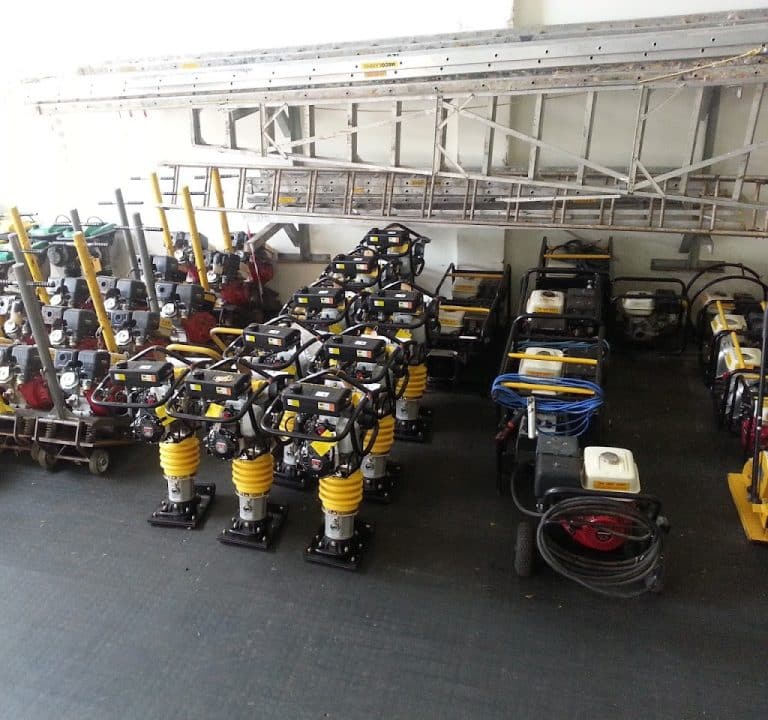
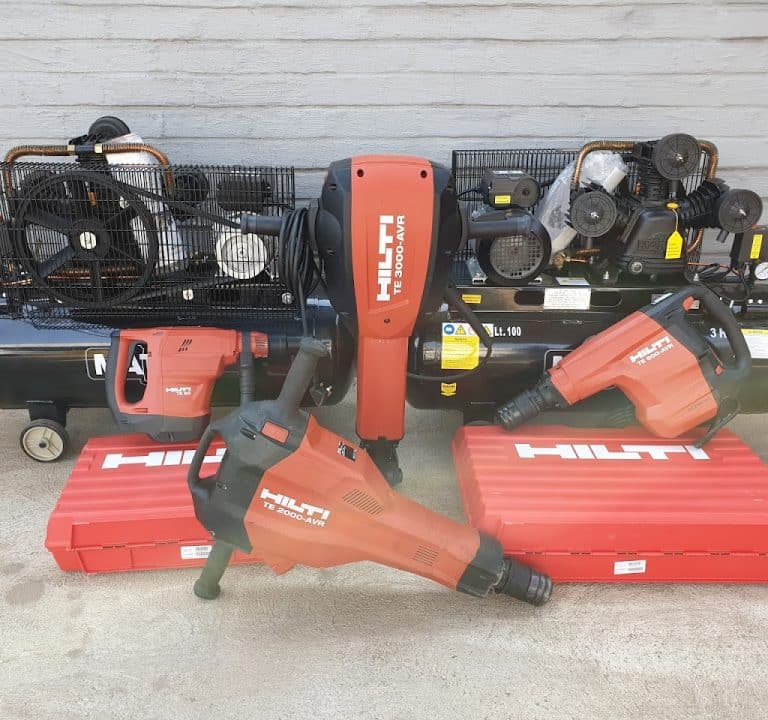
Customers can expect a straightforward process to source the equipment necessary for a project’s phase. Hire firms usually begin with a consultation to assess the scale of the work, site access, load capacities, and the anticipated duration of use. From there, a selection of machines is proposed, commonly including hydraulic excavators, wheel loaders, dozers, articulated dump trucks, mobile cranes, backhoes, and telehandlers. Support equipment such as generators, compressors, lifting gear, scaffolding, and general purpose tools may also be available to complement main plant items. In some cases, operators or trained crew are provided as part of a controlled rental arrangement, ensuring adherence to safety standards and efficient utilisation on site.
Standard expectations include delivery and collection services, on-site set‑up, and routine maintenance checks. Most hire agreements outline responsibilities for fuel, routine servicing, and wear parts, along with conditions for extending the rental period or switching machinery in response to project developments. Safety and compliance are typically emphasised, with operators expected to hold appropriate certifications or licences where required by local regulations. Insurance cover, risk assessments, and proof of satisfactory machine condition before handover are common features of the practical onboarding process.
Practical considerations routinely encountered by purchasers in Johannesburg relate to site access and terrain, power availability, and urban noise or environmental restrictions. Urban construction zones may impose tighter manoeuvring space, noise limits, and delivery time windows, influencing the choice of compact or alternative equipment. Gauteng’s climate and terrain can also affect maintenance schedules and fuel strategies, making proactive planning essential. It is common for hire firms to advise on the most suitable fuel type (diesel or petrol) and to offer options for fuel management or additional services such as on-site refuelling for extended projects. Accessibility to reliable maintenance support, spare parts, and responsive customer service is highly valued on fast-paced builds and tight deadlines.
When selecting a hire partner, the following considerations help ensure a smooth workflow:
- Project scope and duration: clarifying the expected run-time helps match equipment with the most economical terms.
- Site compatibility: ensuring the machine’s size, weight, and lifting capacity align with the work area and surface conditions.
- Operator needs: deciding whether a trained operator is required or if the machine will be managed by the site crew.
- Delivery logistics: confirming access routes, loading limits, and delivery windows to minimise site disruption.
- Safety and compliance: verifying that equipment is maintained to statutory standards and that appropriate insurance arrangements are in place.
In Johannesburg, many clients adopt a cautious approach to cost management, balancing rental rates with the reliability and uptime of equipment. Transparent pricing, clear terms for maintenance, and contingency plans for equipment replacement are factors that influence choice. Overall, plant and machinery hire services in Gauteng provide flexible, turnkey access to essential equipment, supporting a wide spectrum of projects from groundwork and earthworks to complex industrial installations, all while navigating local site realities and regulatory expectations.


To contact the company on this page, use the contact details supplied.
Alternatively, you can also request a quote from our countrywide network of plant and equipment hire specialists by clicking the button below and completing the quotation form.
Request a Quote for Plant Hire, Construction Equipment rental, small plant and equipment hire, Generator hire.
We will send your quote request to our network of plant hire specialists, and the quote will remain active for a week.