
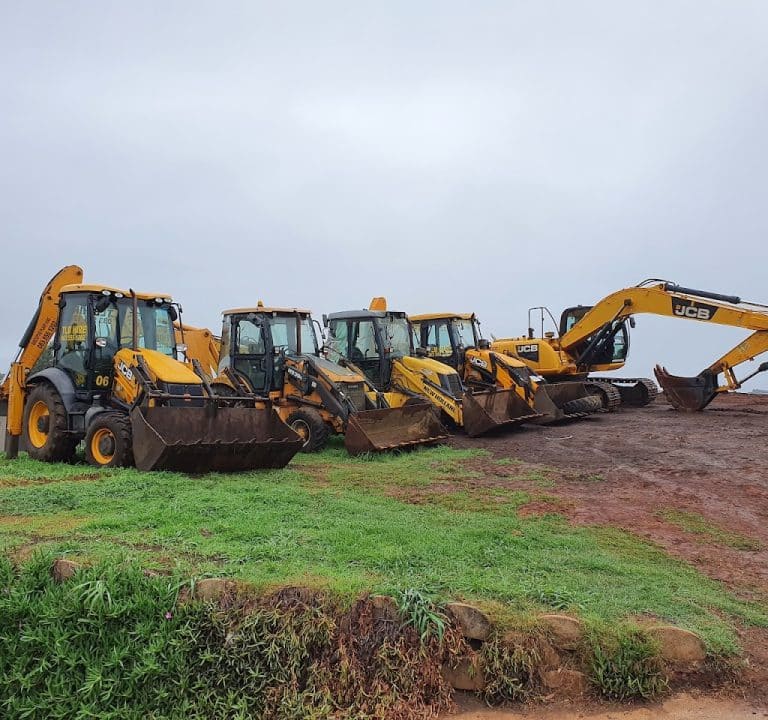
Hillcrest Plant Hire is a Plant and machinery hire establishment in Durban, KwaZulu-Natal, South Africa
Hillcrest Plant Hire (Durban) – Overview of Services and Customer Experience
Hillcrest Plant Hire, operating within the Durban region of KwaZulu-Natal, appears to position itself as a comprehensive plant hire provider with a broad fleet designed to support civil, construction, landscaping and related projects. Drawing on the core offerings commonly advertised by similar providers in the sector, the business is described as maintaining a sizeable range of earthmoving machines and support equipment, complemented by in‑house transport services to streamline project logistics. While specific brand affiliations or local credentials are not detailed in the available content, the emphasis remains on versatility and the capacity to meet varied site requirements.
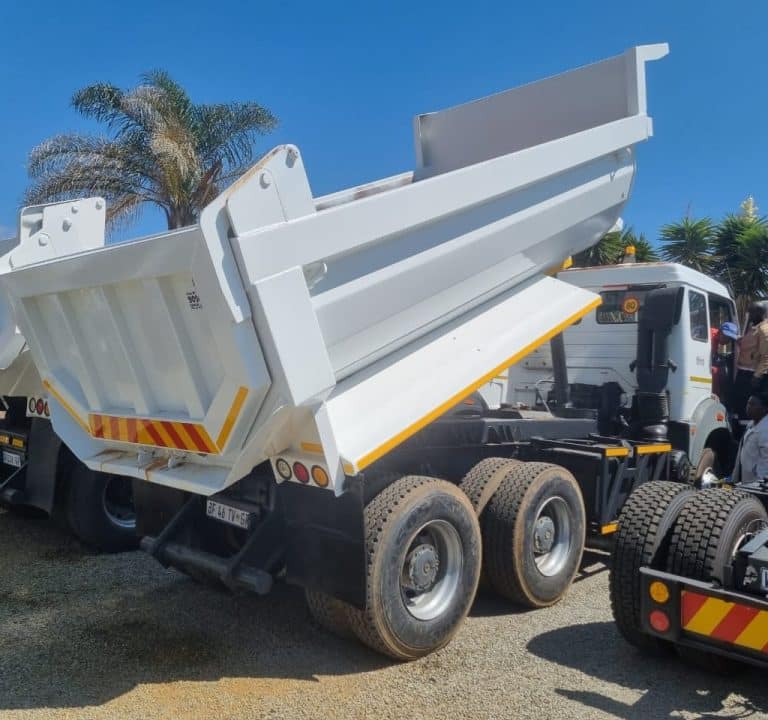
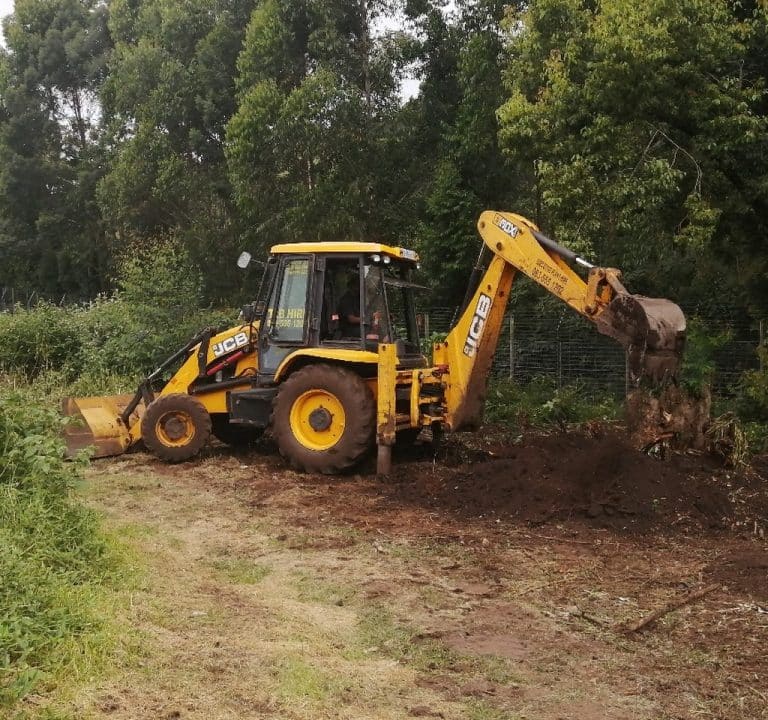
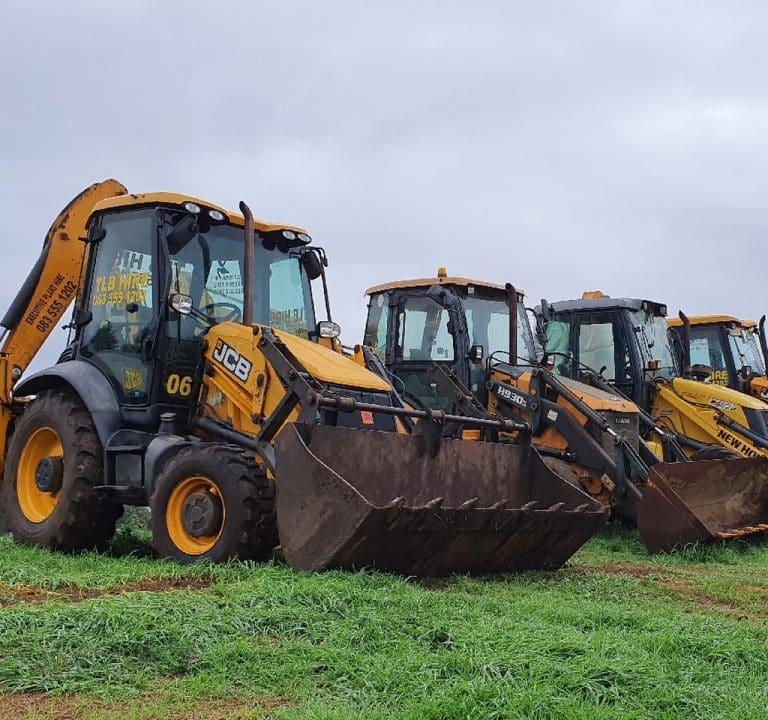
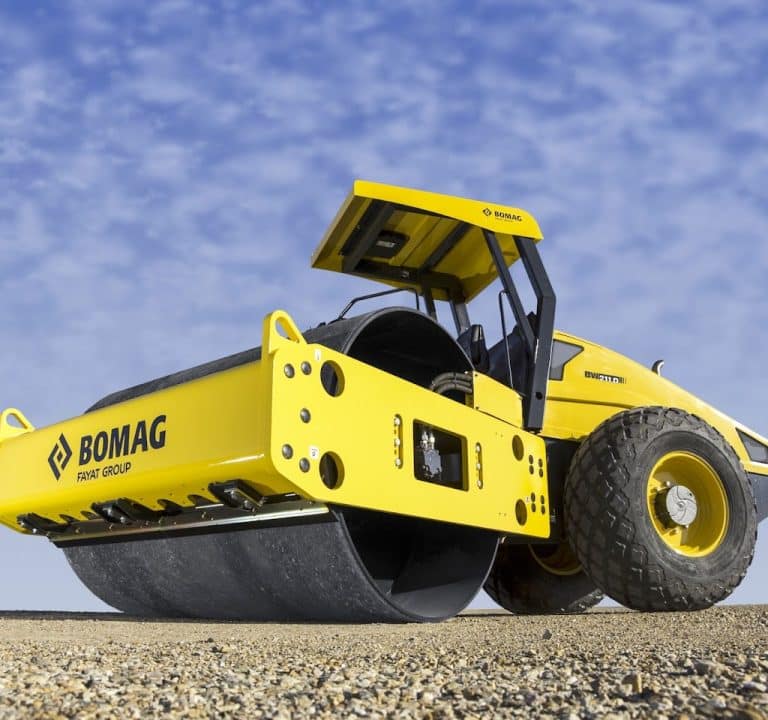
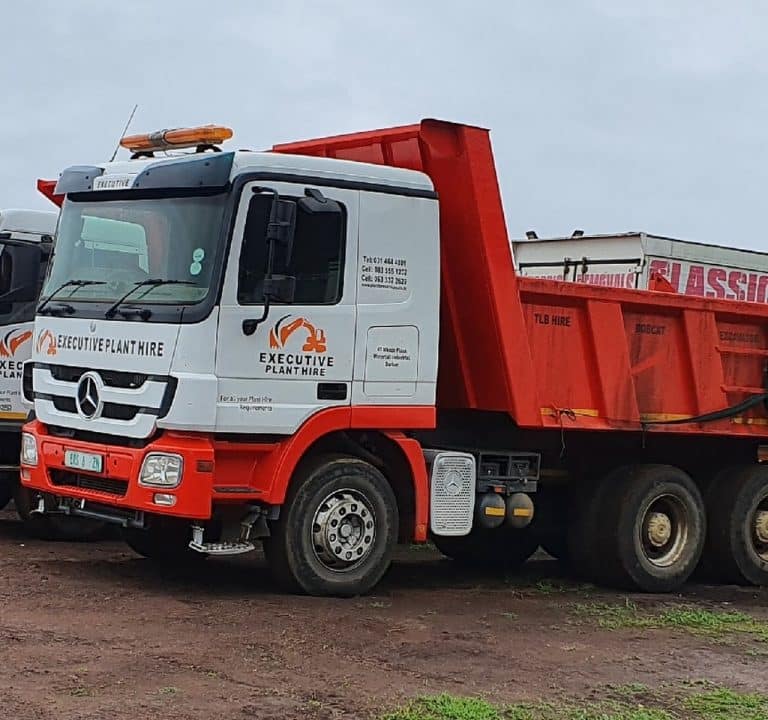
Key equipment and capabilities highlighted by comparable industry sources include excavators of multiple sizes, bobcats/skidsteers with a range of attachments, TLBs (tractor-loader-backhoes), front‑end loaders, rollers, graders and a spectrum of lifting and access equipment such as forklifts, scissor and boom lifts, along with specialised tools for demolition and heavy-duty tasks. The breadth of the fleet underpins an ability to tackle both tight urban sites and larger open worksites, delivering earthworks, trenching, drilling, grinding and material handling as needed on site. In addition, the provision of in‑house transport—typically via lowbed, rollback and crane trucks—helps manage equipment delivery, relocation between sites and off‑site loading or unloading, which can reduce downtime and enhance scheduling reliability for projects with tight timelines.
Typical job types that benefit from such a fleet are commonly described as including site clearance and clean‑ups, trenching for utilities and drainage, foundations and piling work, drainage and plumbing installations, and general earthworks. Attachments for attachments‑specific tasks—such as peckers/hammers for breaking rock or concrete, augers for pole and footing drilling, trenchers for drainage installations, and sweepers for cleaning large paved areas—are repeatedly noted as practical tools for addressing diverse site challenges. The availability of these attachments tends to broaden the scope of projects that can be executed with a single supplier, reducing the need for multiple equipment hires and enabling more seamless project management.
Customer experience considerations inferred from sector norms focus on several practical aspects of requesting and using plant hire services. A clear process typically involves confirming equipment needs, assessing site access and space constraints, and aligning transport logistics with the project schedule. Fleet versatility and the ability to move between sites without excessive downtime are often highlighted as value additions. For customers undertaking complex builds, the ability to select machines with specific attachments—such as rock breakers, augers, trenchers or sweeper attachments—can translate into faster site progress and reduced handling costs.
From a practical viewpoint, prospective clients should pay attention to a few operational tips. Firstly, providing a concise description of the site conditions—such as ground type, space constraints, and access routes—helps in selecting appropriate machine size and attachments. Secondly, outlining the timeline and delivery requirements early on can streamline equipment mobilisation and reduce idle time. Thirdly, confirming fuel arrangements, operator availability (if an operator is desired) and safety requirements for the site helps avoid delays and ensures compliance with on-site procedures. Lastly, requesting a short briefing on machine controls and attachments can aid in safe, efficient operation from the outset.
Business hours or best times to visit are not explicitly listed in the available content. For reference, inquiries typically proceed via standard contact channels used by plant hire providers, with a preference for early planning discussions ahead of key project milestones. The geographic focus implied by the service area centres on KwaZulu-Natal, with Durban as a primary hub, and an emphasis on serving local contractors, landscapers, civil engineers and builders who require dependable access to a broad range of plant and associated equipment in a single, integrated hire solution.
In summary, the plant hire profile described for this Durban-based operation showcases a comprehensive fleet, in‑house transport capabilities, and a versatile range of attachments designed to support a wide array of construction and civil works. The customer experience is framed around efficient equipment mobilisation, job‑site adaptability and practical, project‑level problem solving, with attention to the practicalities of site access, attachment needs and scheduling. These elements collectively position the service as a broad, turnkey solution for plants and machinery hire in the KwaZulu‑Natal region.
Durban
KwaZulu-Natal
3610
South Africa


Sorry, no records were found. Please adjust your search criteria and try again.
Sorry, unable to load the Maps API.
Plant and Machinery Hire in Durban, KwaZulu-Natal
Durban, a major port city on the eastern coast of South Africa, sees a steady demand for plant and machinery hire to support construction, industrial maintenance, and logistics projects. The hire market in KwaZulu-Natal typically accommodates a range of equipment suitable for urban building sites, coastal developments, and inland infrastructure works. Service providers often emphasise reliability, safety, and practical support to ensure projects progress with minimal downtime.
Common offerings in this sector include earthmoving machines, lifting and access equipment, compact plant for confined spaces, and specialised machines for material handling. Customers frequently access excavators, backhoe loaders, wheel loaders, skid steer loaders, and small to mid-range tractors for landscaping or groundwork. In addition, forklifts and pallet trucks are standard for warehousing and logistics tasks, while telehandlers and boom lifts are used for overhead access, maintenance, and installation work. For sites with tight clearances or sensitive areas, compact and zero‑emission options are often highlighted as preferable choices.
Plant and machinery hire in Durban generally centres on short- and medium-term rental arrangements aligned with project timelines. Equipment is typically supplied with essential attachments or auxiliary features, such as buckets, grapples, forks, or lifting jibs, depending on the application. Operators may be available as part of the package, or clients may opt to supply their own trained personnel where legally required. Operational training and on-site safety briefings are commonly offered historically, helping to ensure compliance with local regulations and site-specific rules.
Practical considerations play a vital role in the hiring process. Site access, load limits, and ground conditions influence the choice of equipment and transport requirements. Durban projects often contend with varying terrain, coastal weather, and municipal regulations, which may impact maintenance schedules and downtime planning. Delivery and collection logistics are typically arranged around the project timetable, with consideration given to peak traffic periods and road restrictions within the KwaZulu-Natal region. Fuel management, routine servicing, and adherence to safety standards form part of the standard service package, helping to minimise unexpected delays on site.
Safety and compliance are central to the hire experience. Operators and site workers are commonly expected to wear appropriate PPE, and equipment is usually delivered with a recent inspection tag or service record. Many suppliers prioritise well-maintained machines, with systems for rapid replacement in the event of a fault. On larger or longer projects, a maintenance support plan may be available, offering technical assistance, on-site visits, or standby machinery to preserve productivity. Insurance considerations are typically addressed in the hire agreement, with terms covering damage, liability, and third-party responsibilities.
From a project management perspective, customers can expect transparent terms concerning the hire period, delivery windows, and fuel or mileage charges where applicable. Late return policies, extension options, and renewal conditions are commonly specified to avoid disputes as schedules evolve. Clients are encouraged to document site requirements clearly, including access routes, space constraints, and any environmental considerations, to ensure the chosen equipment aligns with the planned tasks. In Durban’s market, emphasis on local service coverage means many providers understand regional weather patterns, permitting processes, and typical subcontracting arrangements on construction sites.
Overall, plant and machinery hire in Durban offers a pragmatic solution for varying project scales. By aligning equipment type with site conditions and project timelines, and by prioritising safety, maintenance, and reliable delivery, projects can achieve steady progress while minimising capital expenditure and ownership responsibilities.
- Earthmoving machinery: excavators, backhoe loaders, wheel loaders
- Lifting and access: forklifts, telehandlers, boom lifts, scissor lifts
- Compact plant: mini loaders, mini excavators for confined spaces
- Material handling: pallet trucks, conveyors, light-duty conveyors



To contact the company on this page, use the contact details supplied.
Alternatively, you can also request a quote from our countrywide network of plant and equipment hire specialists by clicking the button below and completing the quotation form.
Request a Quote for Plant Hire, Construction Equipment rental, small plant and equipment hire, Generator hire.
We will send your quote request to our network of plant hire specialists, and the quote will remain active for a week.