

S L Contractors – East London is a Plant and machinery hire establishment in East London, Eastern Cape, South Africa
SL Contractors – East London: Plant and Machinery Hire and Civil Engineering Services
SL Contractors – East London is presented as a regional construction services provider active in plant hire, bulk earthworks, aggregates, and civil contracting within the Eastern Cape, including East London (Buffalo City) and surrounding districts. The business profiles itself as an experienced operator in civil engineering and infrastructure projects, combining access to its own materials with a diverse fleet of plant equipment designed to support projects across private, public, and development sectors.
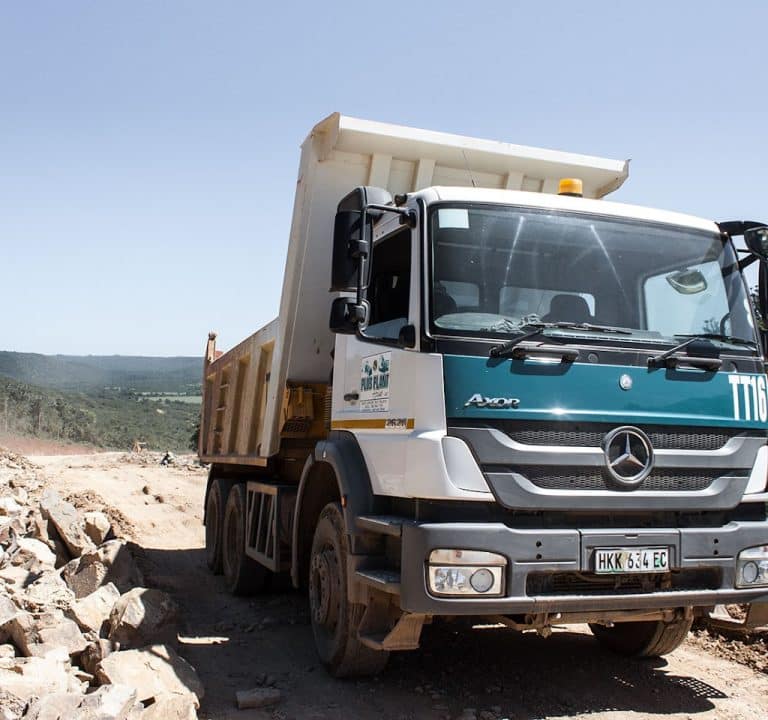
The core offering centres on three interlocking capabilities: plant hire, aggregates, and civil contracting. For plant hire, the company operates an extensive fleet that spans excavators of multiple tonnes, graders, rollers, loaders, TLBs, screening plants, trucks, and support equipment. The emphasis is on providing equipment coupled with qualified operators to ensure projects meet specified timelines and technical requirements. This capability is pitched as adjustable to the needs of civil construction and infrastructure schemes, with an emphasis on timely delivery and on-site reliability.
In the aggregates division, SL Contractors supplies screened sand, topsoil, stone, sabunga (a local dolerite-derived granular material), and related building materials. The business promotes itself as a supplier that both processes and delivers materials in bulk or bagged formats, positioning quality screening and cleaning as a key differentiator. Practical material options include general-purpose screened sand, concrete sand, plaster sand, crushed stone in 13mm variations, crusher dust, concrete mixes, and sand mixes, with bagged products available for smaller scale or delivery-free applications.
The civil contracting arm highlights a broad spectrum of earthworks and sub-structure activities, with projects oriented towards roads, drainage and water reticulation, stormwater systems, paving and kerbing, township developments, terraces and platforms, concrete works, demolition, and bulk earthworks. The Civils division is described as having more than 18 years of operating experience, underscoring a focus on customer service, safety, reliability, and cost-efficient delivery of complex projects. This division is positioned as capable of managing projects for prime contractors, developers, and public-sector clients, with an emphasis on tailoring solutions to individual requirements.
Throughout the site content, the emphasis is on practical, field-ready capabilities. The plant hire guide section offers a concise overview of how different equipment types support common site activities such as levelling, trenching, pipe laying, road construction, and general earthworks. Descriptions include the versatility of backhoe-loader units (TLBs) for digging, loading, trenching, manoeuvring in restricted spaces, and minor demolition, with notes on typical performance considerations and fuel usage. This material helps potential clients assess whether specific plant types align with the scope and scale of their projects.
The business also highlights its environmental stance, noting investments in screening plants to reduce the footprint of sand mining and a commitment to recycling and reusing inorganic waste materials to generate secondary aggregates. This environmental dimension complements the technical capabilities, reflecting an emphasis on responsible resource management and sustainable construction practices.
Typical project types described or implied include urban and rural earthworks, road construction, drainage and sewer works, stormwater management, paving schemes, and township development programmes. The service offering is framed to support both large-scale infrastructure and smaller builds through flexible material packaging and equipment rental options.
Practical tips for customers
- Clarify project scope early to determine whether plant hire with operators or self-drive equipment is most appropriate for cost and efficiency.
- Confirm availability and delivery options for aggregates, particularly for bulk orders, and verify bagged products for smaller tasks.
- Discuss site access, terrain, and space constraints with the plant hire team to ensure suitable equipment is selected (e.g., compact machines for restricted sites, larger earthmovers for bulk earthworks).
- Incorporate environmental considerations into project planning, such as using screened aggregates and recycled materials where feasible.
- Request any necessary safety documentation or operator qualifications to align with site-specific safety requirements and regulatory expectations.
Geographically, the services are oriented toward the Eastern Cape region with a clear focus on East London and its environs, including Qonce (formerly King William’s Town) and neighbouring districts within the Border region. The combined offering of materials, plant hire, and civil contracting reinforces SL Contractors’ position as a multi-faceted partner for construction projects in this locality.
East London
Eastern Cape
5247
South Africa


Sorry, no records were found. Please adjust your search criteria and try again.
Sorry, unable to load the Maps API.
Plant and Machinery Hire Services in East London, Eastern Cape
In East London, Eastern Cape, the plant and machinery hire sector serves a diverse range of construction, industrial, and infrastructure projects. This regional market sees a steady demand for concrete crushers, earthmoving machines, lifting equipment, and allied rental services aligned with local development and maintenance work. Operators and contractors often seek reliable access to machinery without the capital outlay of ownership, supported by a framework of flexible rental terms and responsive on‑site support.
Typical services encompass a broad spectrum of equipment categories designed to meet every stage of a project. Earthmoving fleets commonly include excavators, bulldozers, wheel loaders, and backhoe loaders, suitable for site preparation, trenching, and materials handling. Lifting and handling are supported by cranes of various capacities, mobile cranes for on‑site positioning, and material handling equipment such as telehandlers. Concrete and construction services may rely on mixers, pumps, and portable generators to maintain workflow in locations with varying power needs. In addition, smaller tools and access equipment, such as scissor lifts, boom lifts, air compressors, and generators, are often available to support specialised tasks and remote sites.
Clients can expect a structured approach to hiring that emphasises safety, reliability, and compliance. Equipment is typically offered with flexible rental periods, ranging from short‑term daily rates to longer‑term arrangements aligned with project timelines. Depending on the supplier, optional add‑ons may include operator services, delivery and collection, fuel management, and on‑site maintenance support. Where operators are provided, trained personnel with appropriate certifications may be allocated to ensure operations meet local regulations and site safety requirements. For projects that require self‑management, equipment is supplied in a ready‑to‑use condition with clear operating instructions and routine safety checks.
Practical considerations shape the hiring decision in East London. Proximity to construction zones, accessibility to site locations, and the ability to schedule delivery around weather and milestones are important factors. Many hire providers prioritise maintenance regimes and rapid response for breakdowns, recognising that downtime can affect project schedules. Insurance options, agreed liability terms, and risk management documentation are commonly highlighted elements of the hire agreement, providing reassurance to both contractors and project managers. Local weather patterns and terrain can influence equipment choice, with certain machines better suited to coastal conditions or uneven terrain typical of regional sites.
Customers benefit from clear service expectations linked to the life cycle of a hire arrangement. Initial assessment may involve a site visit or remote briefing to determine the appropriate mix of machinery and attachments. Quotation processes commonly consider the complexity of operations, anticipated utilisation hours, and the need for supplementary tools or consumables. Once equipment is delivered, operators and site supervisors can monitor performance, plan for routine servicing, and coordinate returns or extensions as project plans evolve. Where multiple assets are required, a single point of contact or account management approach can streamline scheduling and billable administration, supporting transparency and cost control throughout the engagement.
While the specifics of pricing, brands, and certifications vary among providers, the overarching model remains consistent: access to well‑maintained machinery, qualified personnel where required, and dependable logistics that align with project demands in East London and the broader Eastern Cape. This framework supports infrastructure upgrades, building projects, and commercial developments while enabling organisations to optimise capital expenditure and maintain momentum on site.



To contact the company on this page, use the contact details supplied.
Alternatively, you can also request a quote from our countrywide network of plant and equipment hire specialists by clicking the button below and completing the quotation form.
Request a Quote for Plant Hire, Construction Equipment rental, small plant and equipment hire, Generator hire.
We will send your quote request to our network of plant hire specialists, and the quote will remain active for a week.