
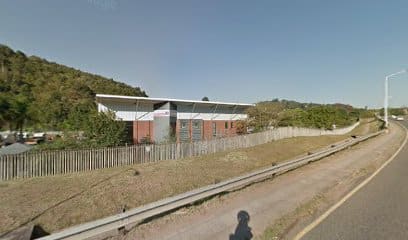
Toyota Forklift is a Plant and machinery hire establishment in New Germany, KwaZulu-Natal, South Africa
Toyota Forklift: Plant and Machinery Hire in New Germany, KwaZulu-Natal
In the realm of plant and machinery hire, Toyota Forklift presents a comprehensive portfolio centred on material handling equipment. The offering is led by a broad range of counterbalance and warehousing forklifts designed to support operation-critical tasks in warehouses, distribution centres and related industrial environments. The portfolio is positioned to meet both short-term and long-term equipment needs, with flexibility geared towards varying project scopes and throughput requirements.
A core focus is the availability of both internal combustion and electric forklift solutions. The internal combustion range covers heavy-duty, high-capacity units suitable for outdoor use or mixed indoor–outdoor environments, while the electric range includes compact and larger electric models designed to optimise indoor handling, reduce emissions and improve operator comfort. The product catalog underlines a commitment to offering dependable performance across different lifting capacities and chassis configurations, to support material movement, stacking, palletising and order preparation tasks.
Maintenance and service are positioned as a central element of the customer experience. A range of tailored maintenance plans is highlighted, intended to keep equipment in peak condition and to minimise downtime. The presence of structured service support—alongside flexible rental options—helps customers manage total cost of ownership and ensure continued equipment availability for their operations. Rental terms are notably varied, with options available from daily hires to longer commitments spanning several years, including contracts up to 72 months. This flexibility supports projects with shifting demand, seasonal peaks, or ongoing fleet refresh needs.
The equipment line-up is described in a way that emphasises adaptability to warehouse environments. Beyond standard counterbalance forklifts, the range extends to specialised warehousing equipment such as stackers, pallet trucks, reach trucks, order pickers and even narrow-aisle solutions. The breadth of the portfolio suggests a capability to support several stages of material handling—from routine pallet movement and stacking to precise order picking and high-density storage operations. The inclusion of three- and four-wheel electric options further points to a focus on efficient, manoeuvrable machines suitable for tight spaces and continuous operation.
The customer experience described through the available information is anchored in practical, performance-oriented equipment choices, competitive pricing and the reassurance of maintenance support. The emphasis on “competitive prices” for the equipment range is matched with assurances of service plans, implying a bundled approach to procurement that balances upfront cost with ongoing reliability. The rental flexibility—from daily to multi-year terms—also indicates an intent to accommodate a spectrum of project timelines, from trial deployments to sizable, long-term fleet deployments.
Typical job types or industries that appear to align with Toyota Forklift’s offerings include warehousing activities and general material handling within distribution and manufacturing contexts. The equipment is marketed as capable of supporting loading and unloading operations, stock transfer within storage areas, order preparation, and other routine warehousing functions. While exact industry verticals may vary, the focus on warehousing and material handling signals applicability to environments where efficient lift, transport and stacking of goods are central to performance.
Practical tips for customers planning a hire or purchase include the following considerations:
- Evaluate the operational environment to choose between internal combustion and electric models, considering factors such as indoor air quality, floor surfaces and noise requirements.
- Assess the expected utilisation to decide between daily hires and longer-term contracts; longer terms may offer cost advantages and more predictable budgeting.
- Consult maintenance plans to understand expected downtime, routine service intervals and the inclusion of parts and labour in the agreement.
- Consider a mix of equipment types to cover different tasks—e.g., combining reach trucks for high storage with pallet jacks for manual handling in lower levels.
- Plan for operator training and compliance as part of fleet deployment to maximise safety and efficiency.
Geographic notes: the service is positioned within the South African market, with a focus on providing Toyota material handling solutions and rental options designed to support customers’ operations. While specific local hours or in-person visit timings are not detailed in the available sources, the breadth of equipment and flexible rental terms are presented as a scalable solution for businesses in KwaZulu-Natal and surrounding regions seeking reliable material handling capabilities.
New Germany
KwaZulu-Natal
3610
South Africa
Sorry, no records were found. Please adjust your search criteria and try again.
Sorry, unable to load the Maps API.
Plant and Machinery Hire Services in New Germany, KwaZulu-Natal
In New Germany, KwaZulu-Natal, plant and machinery hire forms a practical solution for construction, catering to a range of projects from residential builds to larger commercial and infrastructure works. The offering typically centres on access to a fleet of equipment rather than in-house tools, enabling clients to scale resources according to project needs and timelines. Local providers often prioritise reliability, timely delivery, and support services that help keep projects on track.
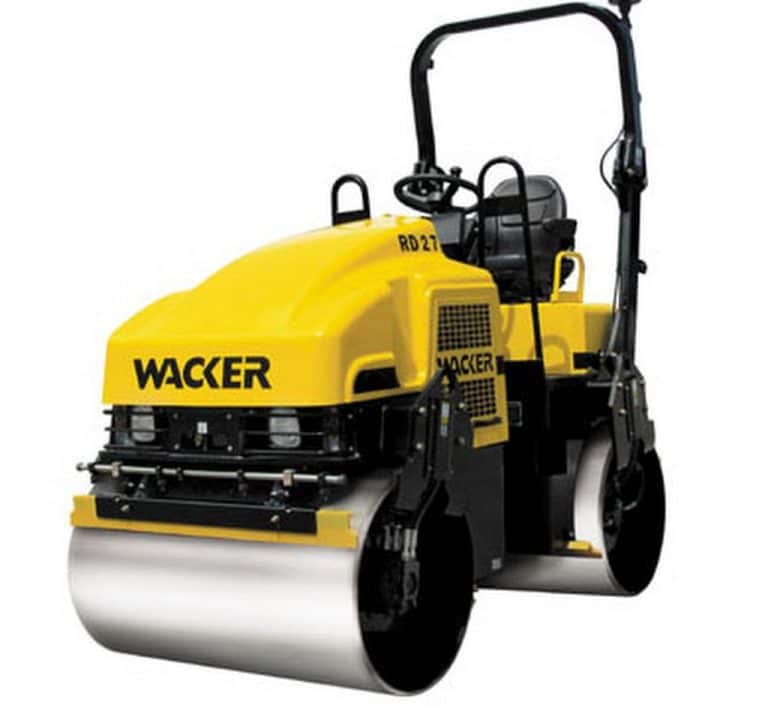
Common equipment categories available for hire include earthmoving machines, lifting and hoisting gear, material handling apparatus, and specialised attachments. Earthmoving plant such as excavators, loaders, backhoes, and compactors address tasks like trenching, grading, material movement, and site preparation. For structural and civil projects, cranes, forklifts, telehandlers, and reach stackers may be sourced to lift, move, and place heavy components with precision. Additional equipment such as compactors, rollers, and skid steers assists with site compaction and surface finishing. Smaller tools, concrete mixers, compaction plates, and hydraulic breakers round out the offering for diverse site needs.
Clients typically interact with hire providers to determine the most appropriate machinery for a given scope. Equipment is generally delivered to site and set up by technicians or operators when required. Depending on the arrangement, operators may be supplied as part of the hire or hired separately, with responsibilities for operation and safety defined in the contract. Support services frequently include maintenance programmes, routine inspections, on-site breakdown response, and assistance with safety documentation and compliance.
Expectations for new projects in New Germany often involve considerations around accessibility, space constraints, and local regulatory requirements. Site access can influence the choice of machinery; for example, compact or mini excavators may be preferred for confined spaces, while longer reach equipment might be necessary for taller structures or complex lifting tasks. Noise, emissions, and dust control are practical concerns on KwaZulu-Natal sites, prompting some clients to seek modern, low-emission models and suitable ancillary measures.
Rates and terms in this regional sector generally reflect factors such as duration of hire, uptime guarantees, and the inclusion of maintenance or on-site support. Clients should review delivery windows, fuel arrangements, and the process for extending or returning hire agreements. It is common for hire firms to offer flexible terms that accommodate short-term projects as well as longer construction programmes, enabling project managers to adjust resources in line with evolving work plans.
Practical considerations include ensuring adequate site access for the selected equipment, confirming load limits and travel restrictions on public roads, and coordinating with other trades to minimise delays. Insurance and liability provisions are typical components of hire agreements, covering equipment damage and third-party risks. Safety remains a central concern; operators, where provided, must hold appropriate qualifications, and sites should implement standard risk assessments, proper signalling, and clear demarcation of working zones.
For customers in New Germany, it is sensible to evaluate total cost of ownership beyond the daily hire rate, including charges for delivery, fuel, potential overtime, and maintenance responsiveness. Collaboration with a knowledgeable hire partner can help identify the most cost-effective mix of equipment and services for a specific project, ensuring that timelines are supported while risks are managed. Overall, plant and machinery hire in this KwaZulu-Natal locale offers a practical pathway to access essential capabilities without substantial capital expenditure, supporting efficient project delivery across a variety of construction and development endeavours.




To contact the company on this page, use the contact details supplied.
Alternatively, you can also request a quote from our countrywide network of plant and equipment hire specialists by clicking the button below and completing the quotation form.
Request a Quote for Plant Hire, Construction Equipment rental, small plant and equipment hire, Generator hire.
We will send your quote request to our network of plant hire specialists, and the quote will remain active for a week.