
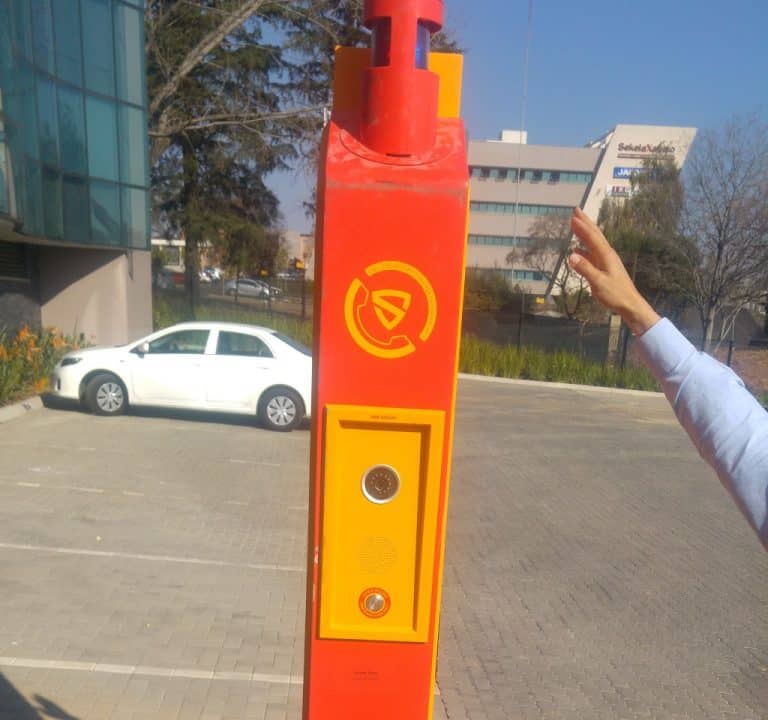
Waverley Office Park is a Plant and machinery hire establishment in Johannesburg, Gauteng, South Africa
Waverley Office Park, Bramley – Overview of Services and Customer Experience
Waverley Office Park, situated in Bramley on the Border of Waverley, Johannesburg, forms part of a broader portfolio listed by ANVIL Property Smith. While the property itself is described as fully occupied in the current listing, the surrounding pages provide a sense of the neighbourhood’s commercial ecology and the way space is marketed within the portfolio. The emphasis across the listings is on professional office space and a curated selection of buildings within the Waverley/Bramey corridor, with opportunities highlighted through nearby units and phase-based offerings rather than a single, stand-alone amenity for plant and machinery hire.
From the material available, the primary services presented relate to office space leasing rather than direct plant and machinery hire. The Waverley Office Park entries illustrate multiple office configurations across phases, including Phase 2 and Phase 3 expansions, as well as entire-building opportunities. Each listing emphasises practical attributes such as modern layouts, parking provisions, security features, and, in some cases, environmental considerations (for example, green building credentials and natural ventilation). Although these elements do not describe plant hire, they do convey the type of property-management framework that would typically support organisations requiring equipment-related services indirectly—through stable, well-managed office environments and adjacent industrial/warehousing nodes within the same market segment.
Visitors to the ANVIL Property listings can expect a market-intelligence-driven presentation of spaces rather than a conventional sales pitch. The listings frequently note availability status (including “no units currently available” for a specific address) while offering alternative options within the same portfolio. This approach signals a business-to-business user experience oriented towards informed decision-making, with an emphasis on matching client specifications to a broader inventory rather than immediate, transactional leases. The inclusion of multiple screen-ready calls to action (inquiry forms, links to more information, and contact details) suggests a workflow designed to capture prospective tenants’ requirements and notify them when suitable spaces re-enter the market.
Phase-based opportunities appear to be a notable feature of Waverley Office Park’s marketing ecosystem. Details such as “Phase 3 – Entire Building Available to Let” indicate a structured development or growth pathway, which is relevant to organisations planning for expansion, including those with plant and machinery hire needs that may require on-site administration, space for equipment storage, or proximity to related logistics operations. The listings commonly reference practical facilities (parking, security, backup generators, internet connectivity, and ventilation) that contribute to a conducive environment for business operations, including activities that depend on equipment and machinery tied to a project’s administrative and operational needs.
Customer experience, as inferred from the public-facing content, appears to prioritise transparency and responsiveness. When units are not available, prospective clients are invited to enquire for future availability and to explore similar offerings in other buildings within the portfolio. The presence of dedicated phone numbers and enquiry options reinforces a service model aimed at ongoing engagement, with a view to returning with suitable options when space becomes available. As a third-party observer, this suggests a professional ecosystem where decision-makers can access market-ready information and receive timely updates on opportunities aligned with their project timelines.
Practical tips for potential clients seeking a Waverley-based workspace or adjacent industrial support include:
- Review the portfolio’s phase-based options to understand growth trajectories and what spaces might accommodate future equipment investments or warehouse-adjacent needs.
- Monitor availability regularly via the listing pages and set up alerts if possible, given that fully occupied status can change with market dynamics.
- Consider proximity to major transport routes and logistics hubs when planning plant and machinery deployment or storage strategies, as the surrounding area emphasises business efficiency and accessibility.
- Leverage the inquiry channels to specify equipment storage, on-site power support, or security requirements that align with machinery usage on the premises.
- Check for environmental features and power reliability (back-up generators, natural ventilation) that can influence operating costs and downtime for equipment-heavy workflows.
In terms of location and service area, Waverley Office Park is positioned within Gauteng, Johannesburg, serving the Bramley-Waverley corridor and the broader northern Johannesburg business community. While specific plant and machinery hire services are not detailed on the official listings, the property’s commercial context implies a marketplace where office-based operations, logistics planning, and equipment-oriented projects intersect, supported by a professional property-management framework and a responsive leasing ecosystem.
Johannesburg
Gauteng
2090
South Africa


Sorry, no records were found. Please adjust your search criteria and try again.
Sorry, unable to load the Maps API.
Plant and Machinery Hire Services in Johannesburg, Gauteng
In Johannesburg and the wider Gauteng province, plant and machinery hire forms an essential element of construction, infrastructure projects, mining support, and industrial maintenance. The hire market typically presents a broad range of equipment options, from wheeled and tracked excavators to material handling machines, compressors, generators, and specialised attachments. Clients range from small contractors undertaking civil works to larger developments requiring temporary capacity upgrades to meet tight schedules.
Key offerings generally include both dry hire and wet hire arrangements. Dry hire refers to access to the equipment itself, with the user responsible for operation, fuel, routine maintenance, and compliance. Wet hire includes operator services and sometimes ancillary support such as loading and routing, subject to the terms agreed with the supplier. In many situations, clients prefer dry hire for flexibility and cost control, while complex projects or sites with restricted access may benefit from provided operators and supervision as part of a managed service.
Typical equipment available for hire encompasses earthmoving machines such as excavators, loaders, graders, and bulldozers; compact and mid-sized machines suitable for engineering works in urban and congested environments; material handling gear including forklifts and telehandlers; compactors and rollers for surface preparation; as well as concrete and framing equipment like saws, mixers, and cutting tools. Support items commonly offered include high-pressure washers, air and water pumps, generators, lighting towers, and temporary power distribution equipment. For projects requiring specialised capabilities, dealers may supply keep-fit packages, fuel management options, and on-site maintenance or quick-access repair services.
Customers can expect a straightforward hiring process in urban centres such as Johannesburg. Typically, enquiries are handled by trade suppliers who assess project scope, duration, site access, and required load capacities before delivering a quotation. Delivery arrangements are commonly arranged to suit site locations, with consideration given to traffic conditions, loading bays, and the possibility of operating premises with restricted access. Where on-site supervision is necessary, contractors might arrange operators who are trained and certified for the specific equipment and operations involved. Insurances, risk assessments, and site safety protocols are frequently part of the contractual framework.
Practical considerations for plant and machinery hire in Johannesburg include:
- Compliance with local regulations and operator training standards relevant to South Africa and Gauteng.
- Clear handling of fuel, maintenance responsibility, and deflection of wear and tear between the hire period and handover.
- Inspecting equipment on delivery for any pre-existing faults, fluid levels, and safety features such as ROPS/ROPS protections, alarms, and interlocks.
- Understanding site access limitations, lifting capacities, aisle widths, and ground conditions to avoid overloading or inappropriate use.
- Coordination of delivery times with project schedules, including contingency planning for delays or outages.
- Awareness of environmental considerations, including emission standards and fuel type requirements where applicable.
- Budgeting for additional costs such as transport, Attachments, damage waivers, and extended hire periods.
Overall, plant and machinery hire in Johannesburg provides adaptable capacity for a wide range of urban and industrial projects. The experience tends to hinge on clear communication, realistic timelines, and a thorough assessment of site conditions and operational needs. By aligning equipment selection with project demands and safety requirements, organisations can maximise productivity while maintaining cost control and compliance throughout the hire period.







To contact the company on this page, use the contact details supplied.
Alternatively, you can also request a quote from our countrywide network of plant and equipment hire specialists by clicking the button below and completing the quotation form.
Request a Quote for Plant Hire, Construction Equipment rental, small plant and equipment hire, Generator hire.
We will send your quote request to our network of plant hire specialists, and the quote will remain active for a week.